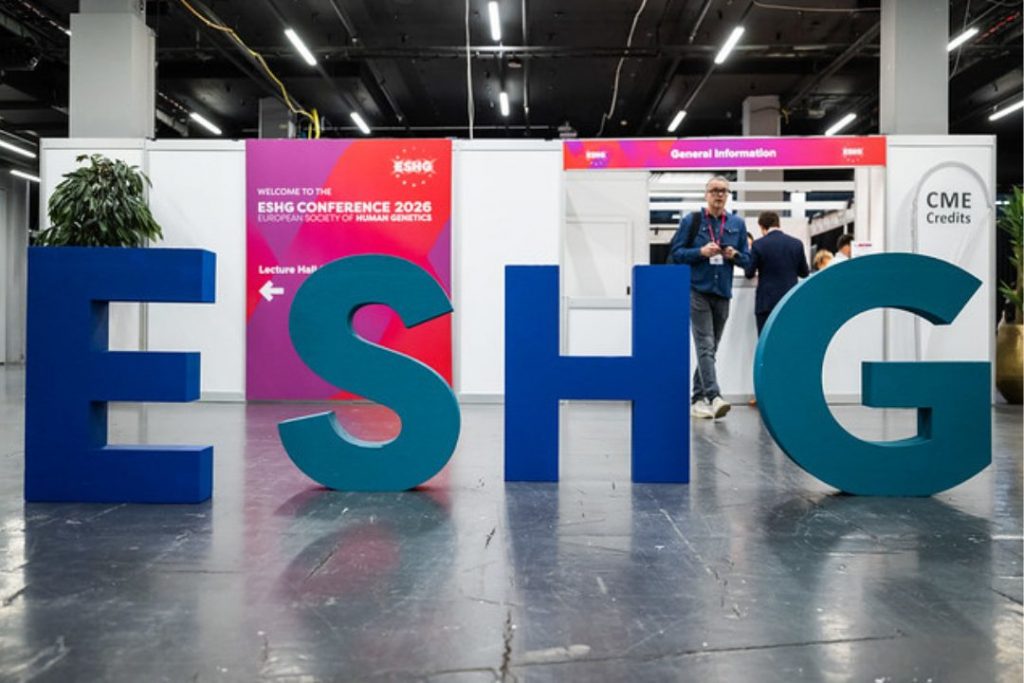
For four days at ESHG 2026 in Gothenburg, our team connected with laboratories, clinicians, and researchers working to advance genomic medicine. The event provided a valuable opportunity to demonstrate the latest capabilities of the SEQ Platform, discuss how laboratories are optimizing their diagnostic workflows, and explore new ways to support efficient and accurate clinical report generation.
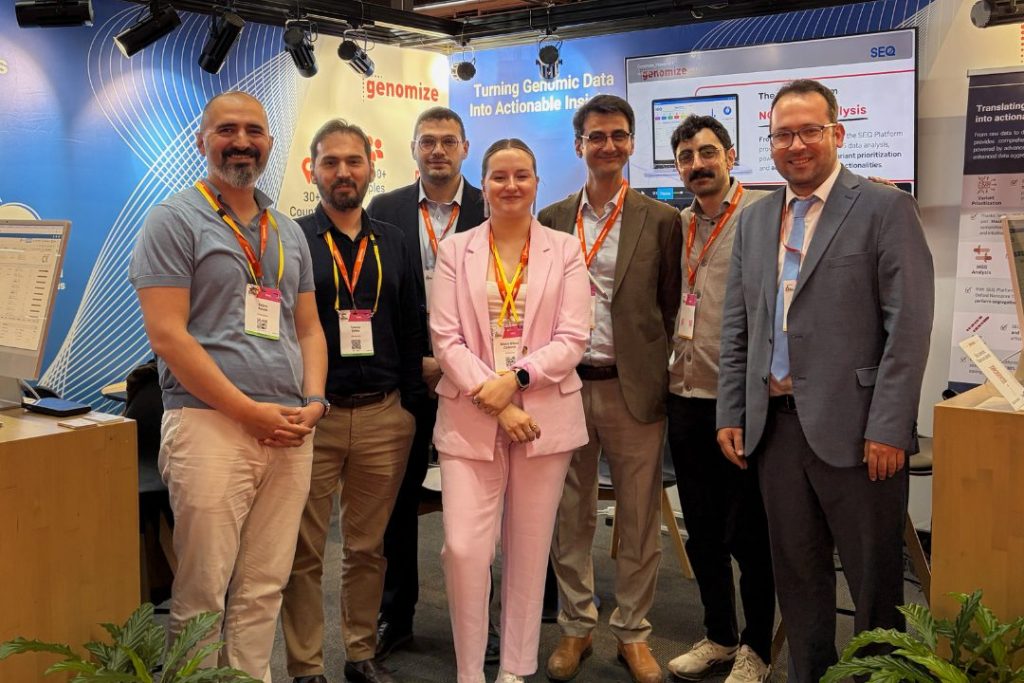
We demonstrated the SEQ Platform’s capabilities for WES, WGS, and long-read sequencing analysis, including ONT and PacBio data. Visitors also explored our renewed somatic analysis module, featuring variant-centric tier summaries, integrated clinical evidence resources, and advanced filtering capabilities that help laboratories interpret cancer-related variants more efficiently. Several conversations centered on how laboratories currently split their analysis across separate tools depending on sequencing technology, and how consolidating germline, somatic, and long-read workflows into a single platform reduces both validation overhead and turnaround time.
Beyond analytical capabilities, many conversations focused on how laboratories can improve efficiency throughout the interpretation and reporting process. Visitors were particularly interested in:
- Intelligent Shortlisting for prioritizing the most relevant variants.
- Streamlined workflows that reduce manual review effort.
- Integrated ACMG classification support for consistent variant assessment.
- A secure, clinical-grade environment with HIPAA and GDPR compliance and CE-IVD certification.
These discussions highlighted the growing need for solutions that not only support genomic analysis but also help laboratories scale their diagnostic operations while maintaining quality and regulatory compliance.
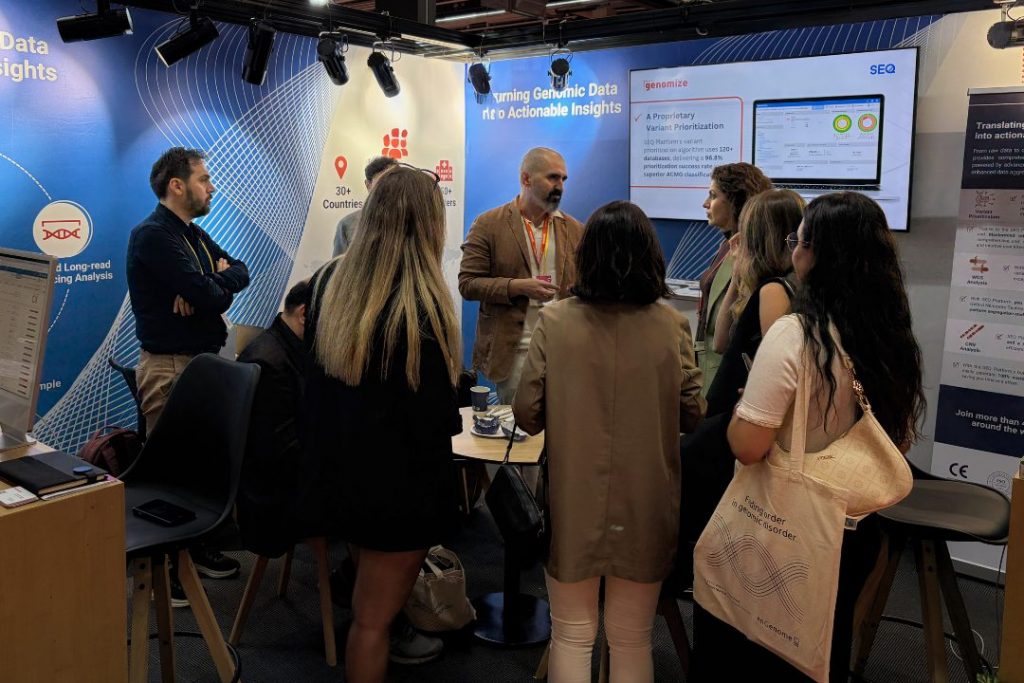
Looking Back at ESHG 2026
Thank you to everyone who visited our booth, asked questions, and took the time to learn more about the SEQ Platform over the course of the conference. The discussions we had in Gothenburg will directly inform how we continue developing the platform in the months ahead. We also want to thank the ESHG organizing committee for putting together such a well-run and scientifically engaging event.

We look forward to continuing these conversations at ESHG 2027 in Rotterdam.