Skip to content
  • Products & Services
    • SEQ
    • Covid19-qPCR
    • Pathogenicity Calculator
  • Our Company
    • About Us
    • Careers
    • News & Events
    • Contact Us
    • Certifications & Compliances
  • Science Hub
    • Blog
    • White Papers
    • Citations
  • Products & Services
    • SEQ
    • Covid19-qPCR
    • Pathogenicity Calculator
  • Our Company
    • About Us
    • Careers
    • News & Events
    • Contact Us
    • Certifications & Compliances
  • Science Hub
    • Blog
    • White Papers
    • Citations
Sign In to SEQ
Schedule A Demo

Take a look at our latest articles

You are here:
  1. Home
  2. Resources

Recent Articles

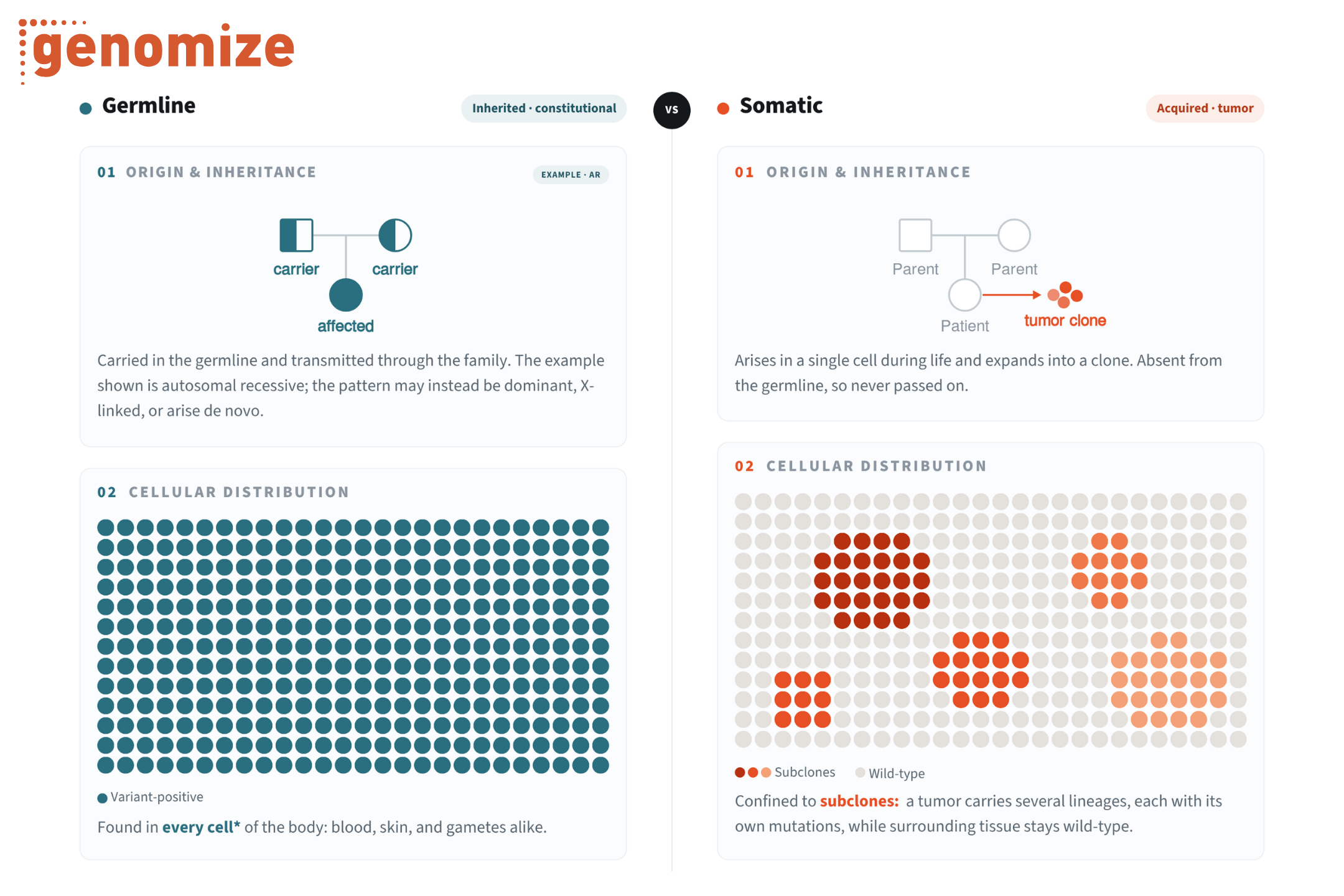
Infographic comparing germline and somatic variants by origin and inheritance and cellular distribution.

Somatic Variant Interpretation in Cancer Genomics: Beyond the Variant Call

ArticlesAugust 26, 2026
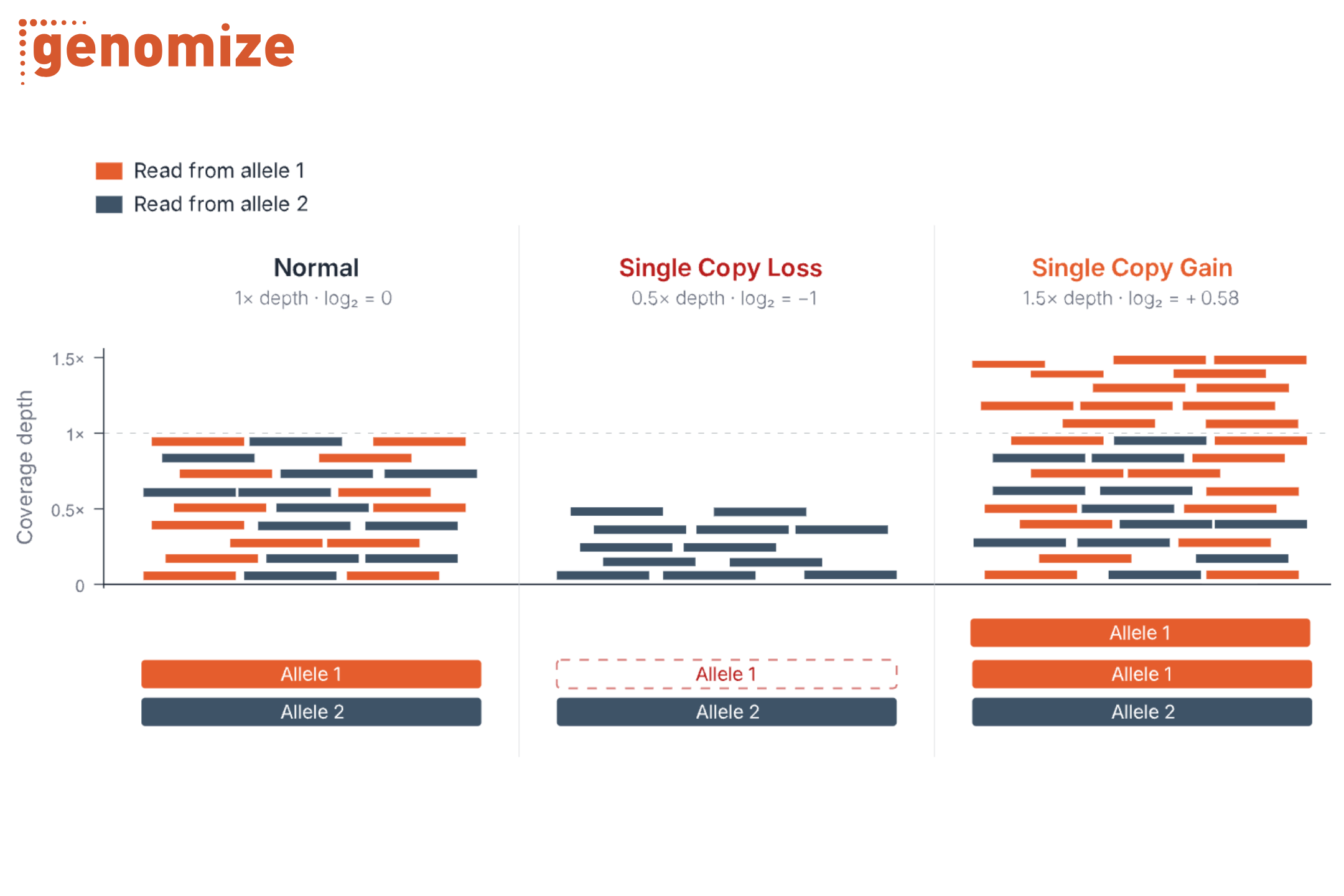
Three-panel diagram showing sequencing read depth for copy number variation. Normal has equal read coverage from both alleles, single copy loss shows reduced coverage from one missing allele, and single copy gain shows increased coverage due to an extra copy of one allele. A legend distinguishes reads from allele 1 (orange) and allele 2 (blue). CNV

Cohort CNV Analysis: From Confident Call to Clinical Interpretation

ArticlesJuly 22, 2026
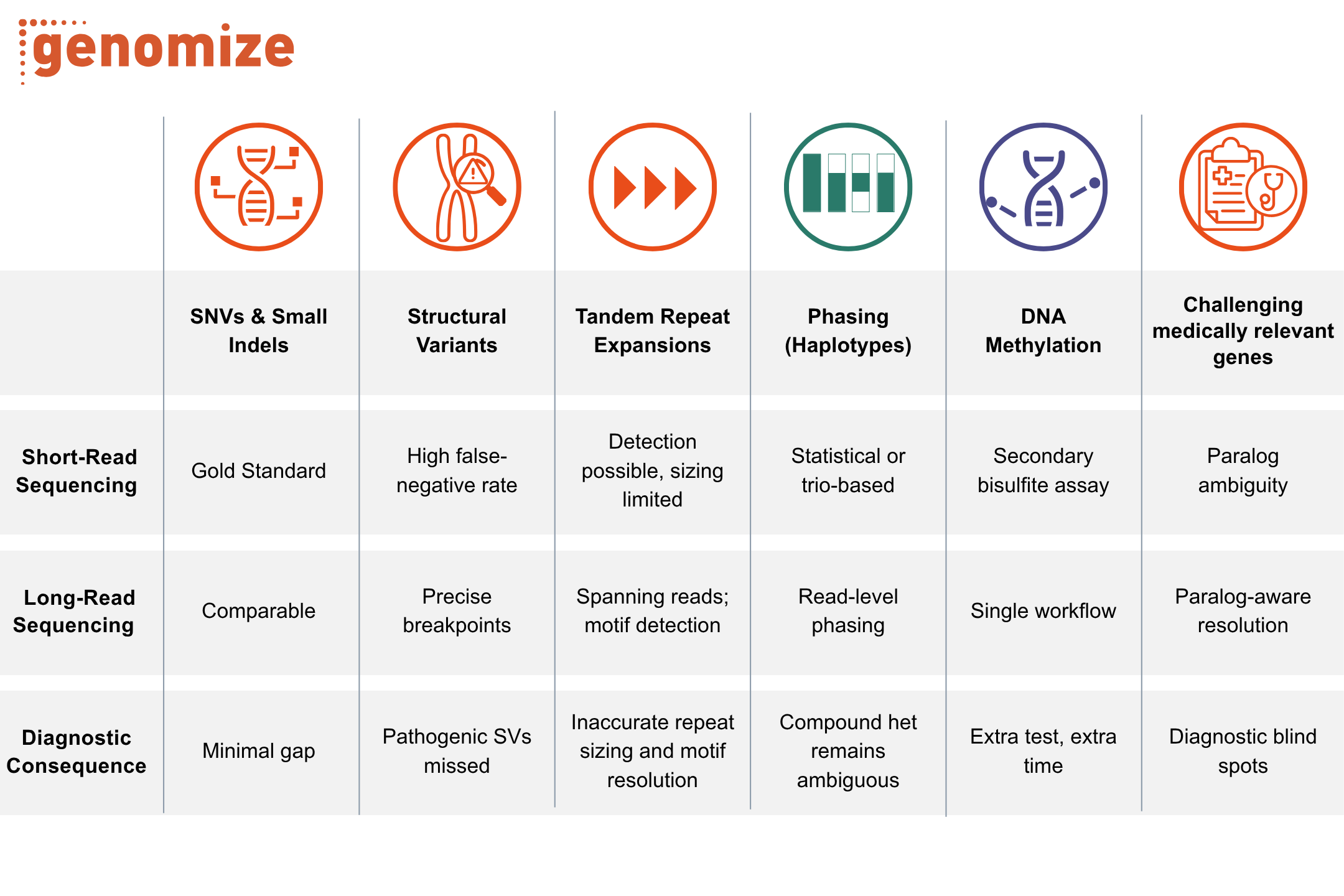
Comparative infographic showing the strengths and limitations of short-read and long-read sequencing technologies across six genomic analysis categories: SNVs and small indels, structural variants, tandem repeat expansions, phasing (haplotypes), DNA methylation, and challenging medically relevant genes. The table outlines how short-read sequencing may face limitations such as false negatives, limited repeat sizing, trio-based phasing requirements, and paralog ambiguity, while long-read sequencing enables precise breakpoint detection, motif detection, read-level phasing, single-workflow methylation analysis, and paralog-aware resolution. A final row summarizes the diagnostic consequences associated with each limitation.

Closing the Diagnostic Gap: What Long-Read Sequencing Adds in Rare Disease

ArticlesMay 13, 2026
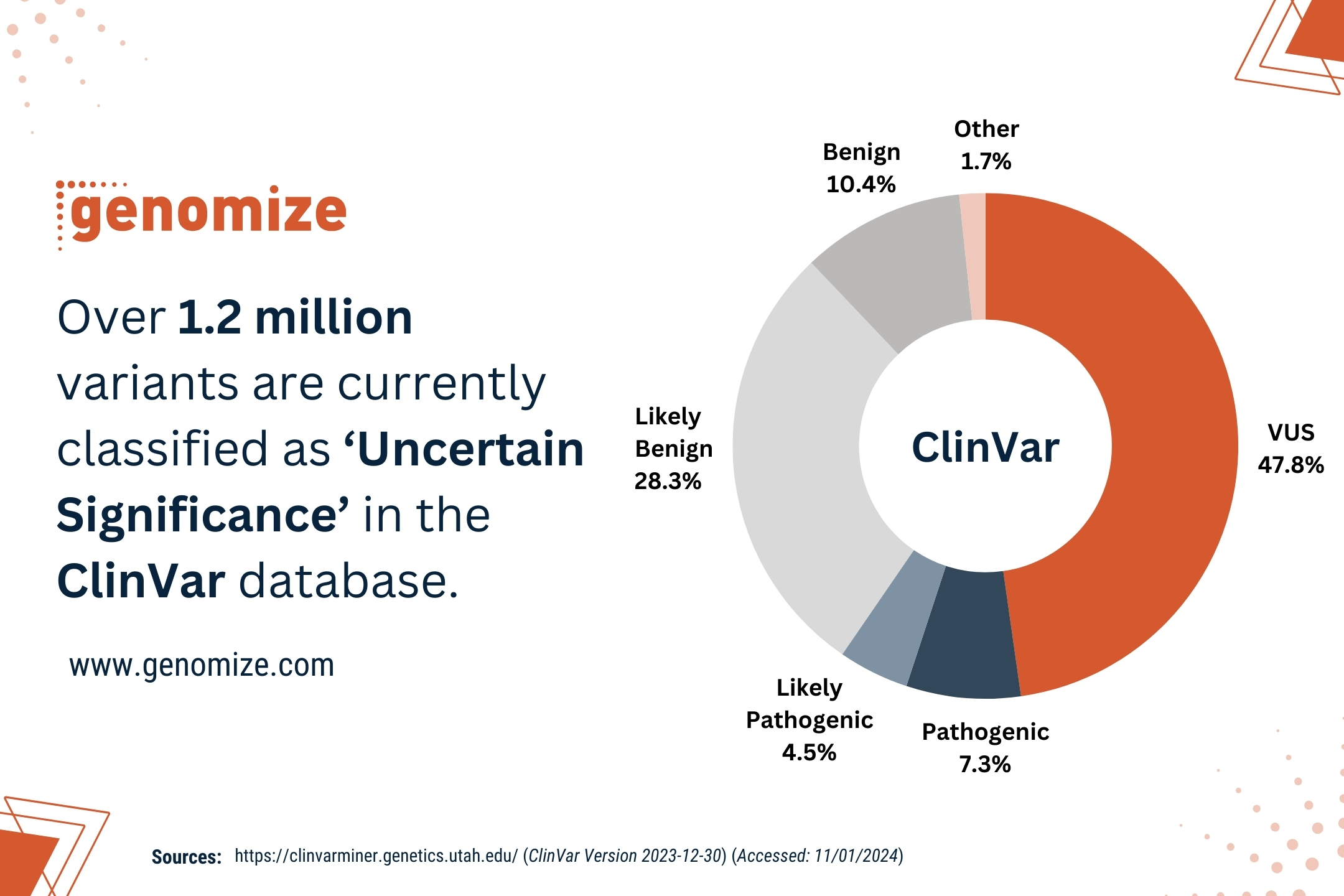
Variants annotated as VUS constitute the largest portion of human genomic variations in which 47.75% of the more than 2 million variants are annotated as VUS in ClinVar, a public archive of reports on the relationships among human variations and phenotypes.

The Dream of Human Geneticists: A World Without Variants of Uncertain Significance

ArticlesJanuary 11, 2024
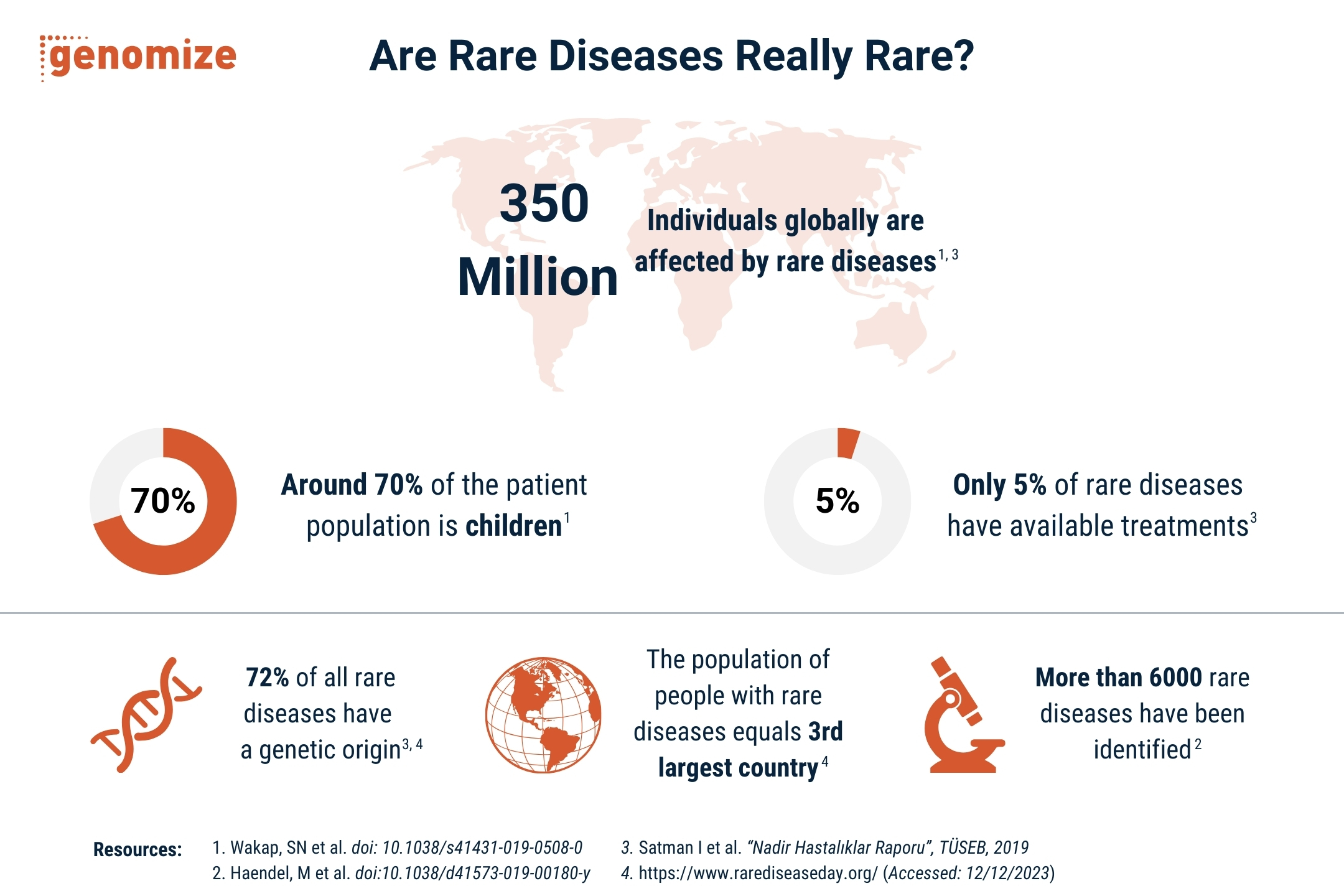
"Rare diseases'' may seem straightforward, affecting a small percentage of the population, although definitions of rarity differ globally. For instance, the U.S. defines these diseases as affecting fewer than 200,000 people, while the EU uses a prevalence criterion of fewer than 1 in 2,000. Additionally, rarity can be context-specific, varying across demographics and regions, emphasizing the intricate nature of these conditions.​

Are Rare Diseases Really Rare?

ArticlesDecember 12, 2023
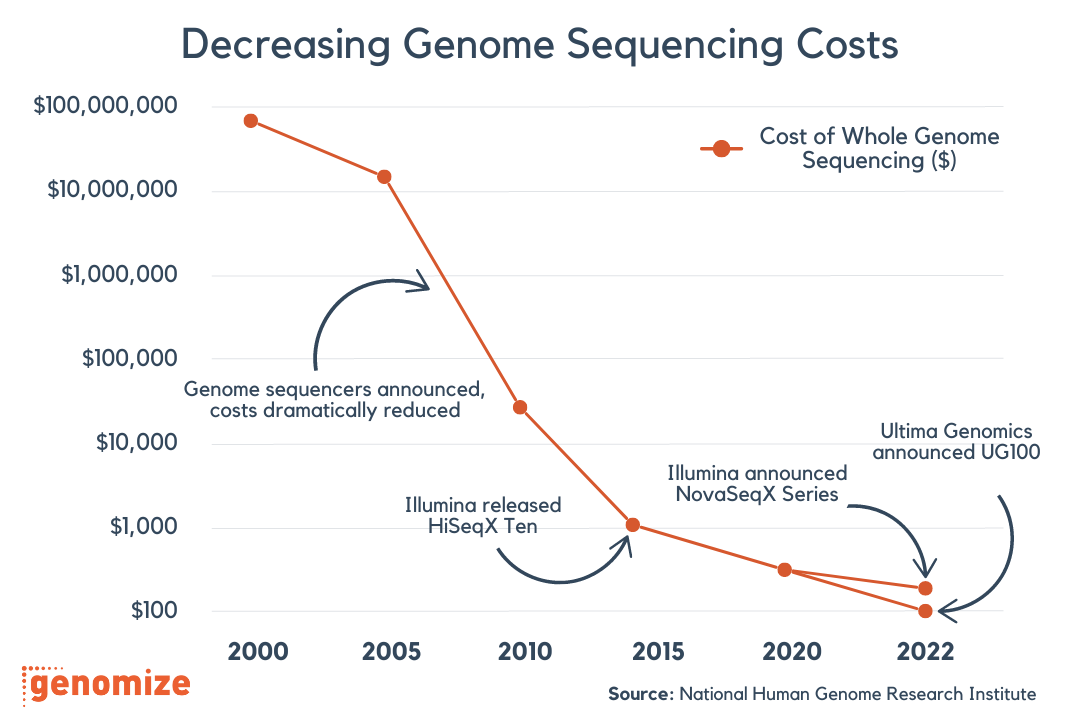
Genome sequencing costs

How Decreasing Genome Sequencing Costs Effects Clinical Genetics and Precision Medicine

ArticlesApril 28, 2023
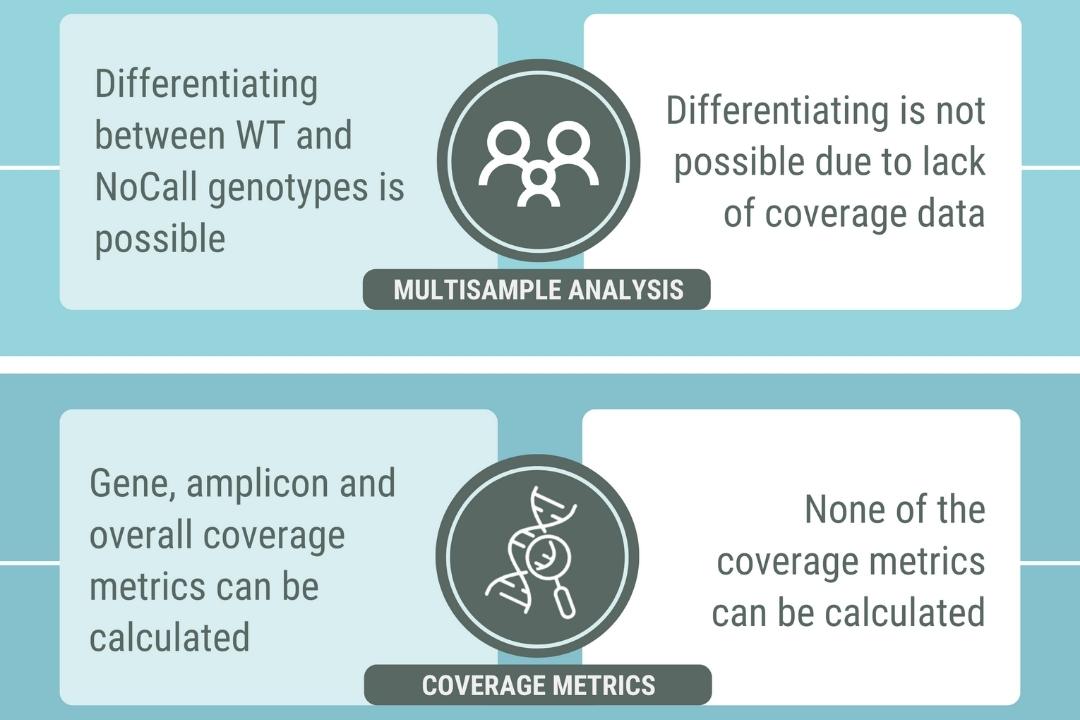
Fastq vs vcf

Why FastQ is a Better Starting Point for Clinical NGS Analysis?

ArticlesJuly 19, 2022

Become a part of Genomize community!

Genomize_logo
[email protected]
Linkedin Facebook Twitter Instagram

Products & Services

  • SEQ Platform
  • Covid19-qPCR
  • Pathogenicity Calculator

Our Company

  • About Us
  • Careers
  • Contact Us
  • Certifications & Compliances

Science Hub

  • Blog
  • White Papers
  • Citations
© 2026 Genomize. All rights reserved.
Go to Top